





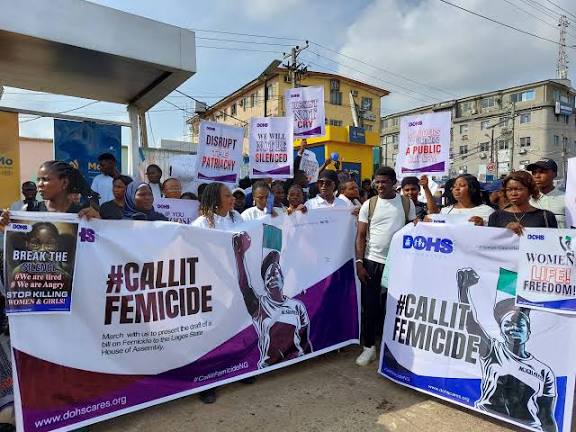
More than 197 femicide deaths were recorded in Nigeria between January and December 2025, according to a recent DOHS Cares Foundation’s femicide report.
According to the report, the 2025 figures show a sharp increase of about 30% from 2024, when 133 Nigerian women and girls lost their lives to gender-based violence, indicating that femicide deaths in the country are on the rise.

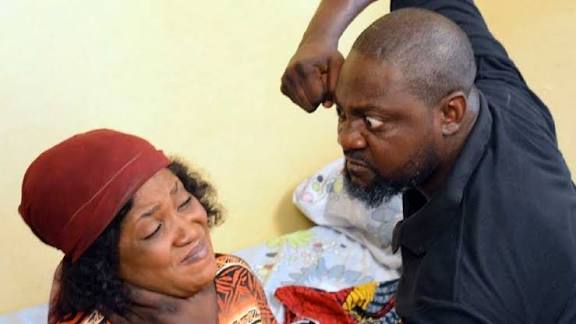
Gender Base Violence (GBV) in Nigeria
Details of the findings of the report were published on the foundation’s tracker dashboard, which collates data on suspected femicide cases across the country.
Unlike homicide, femicide is the killing of women and girls based on their sex and gender and this has continuously plagued communities all over the world. The United Nation (UN) Women define it as, “the intentional killing of women and girls because of their gender,” distinguishing it from homicide, where the motive may not be gender-related.
It’s also distinguished from the other ‘cides’ like filicide, uxoricide, patricide, matricide, regicide, parricide, which have definitive legal definitions and meanings in many statue books across the world.
The DOHS Cares Foundation report documented 172 suspected fem!cide cases nationwide, which resulted in the 197 deaths during the period under review.
“With 172 cases of femicide and 197 deaths in 2025 — and still counting — it’s safe to say femicide in Nigeria is a pandemic; a crisis that continues to escalate without decisive action,” the report stated. The reported deaths exceeded the reported cases because some cases included multiple deaths, the foundation explained.


Protest against femicide
Several cases highlighted in the report illustrated the brutality of the violence often listed under Gender Based Violence (GBV) in Nigeria.
Reacting to the findings, one Mr Ajayi reportedly said, “Femicide in Nigeria is a national emergency, not isolated violence. Data from our Femicide Observatory shows that dozens of women and girls are killed once every 49 hours across the country, simply because they are female — mostly by people they know and trust.”

Advertorial
Although Nigeria currently has no law that specifically criminalises femicide, public outrage over the killings has continued to grow, alongside renewed calls for legal reforms and concrete measures to prevent violence against women and girls.


