
After more than eight years of legal wranglings involving the Nigerian Union of Journalists (NUJ), Rivers State Council, and some of its members over the disputed 2018 Correspondents’ Chapel election, judgment is now scheduled for today Monday, May 4, 2026, at 1:00 p.m.
The ruling will be delivered by Justice Sani Buhari of the National Industrial Court of Nigeria, Port Harcourt Division. The judgment, initially fixed for April 30, was adjourned to enable the court incorporate all proceedings in the long-running case.
The suit, filed in 2018 by Akpekwu Christopher Imbufe (lead claimant), alongside the late Bunmi Durojaiye, Philip Ezuma, and Chijioke Nwankpa, challenges their alleged exclusion from the chapel election, their suspension for initiating legal action, and the withholding of monthly allowances due to members.
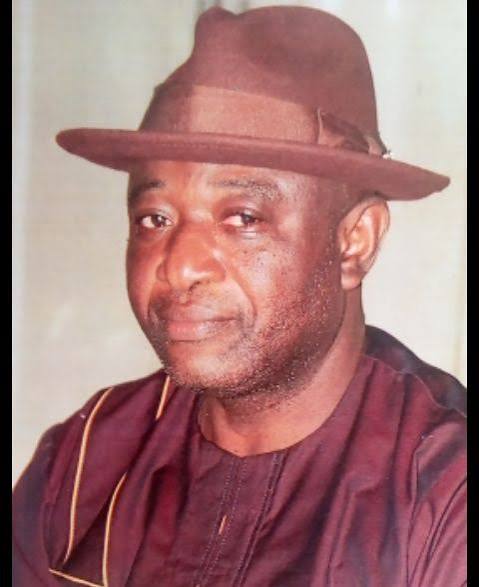
Christopher Akpekwu Imbufe – Claimant
During the proceedings, the court granted the claimants leave to amend their filings to include additional claims over unpaid allowances said to exceed ₦15 million, including an alleged ₦20,000 monthly entitlement.

Ernest Chinwo – Defendant
Justice Buhari held that justice must take precedence over procedural technicalities, noting that parties should be allowed to present all relevant claims necessary for fair adjudication, provided the opposing side has an opportunity to respond.
The case has experienced several setbacks, including the death of the initial presiding judge, Justice Auwal Ibrahim, in 2018, and its reassignment across multiple judges before reaching its current stage.
At the heart of the dispute are questions surrounding the legality of the 2018 election, adherence to the NUJ constitution, and the rights of members to participate and receive due benefits. The matter has drawn sustained public and media interest and reportedly involved the Nigeria Police Force, though no widely reported criminal convictions emerged.

Following a full hearing in which all issues were exhaustively argued, the court’s forthcoming judgment is expected to determine the validity of the election, the responsibilities of the parties involved, and broader concerns about internal democracy within professional bodies like the NUJ.
The May 4 ruling is seen as a major milestone in the protracted dispute, effectively concluding the trial phase after years marked by adjournments and institutional challenges.
Advertorial
Both the claimants and defendants, including Ernest Chinwo and other principal actors, now await the final verdict in what is widely regarded as a defining intra-union case, with expectations that the outcome will strengthen the NUJ going forward.
